
CBD oil has become a staple in modern wellness routines, but many people still wonder how it is actually made. The process involves much more than simply extracting oil from a plant. From carefully cultivating hemp to bottling the finished product, each step plays a vital role in ensuring purity, potency, and safety.
This guide explains how CBD oil is made, step by step, helping you understand what goes into a high-quality bottle of CBD oil and why the manufacturing process matters.
Step 1: Growing High-Quality Hemp Plants
Everything starts with hemp. The quality of CBD oil depends heavily on how the hemp plant is grown.
Selecting the Right Hemp Strains
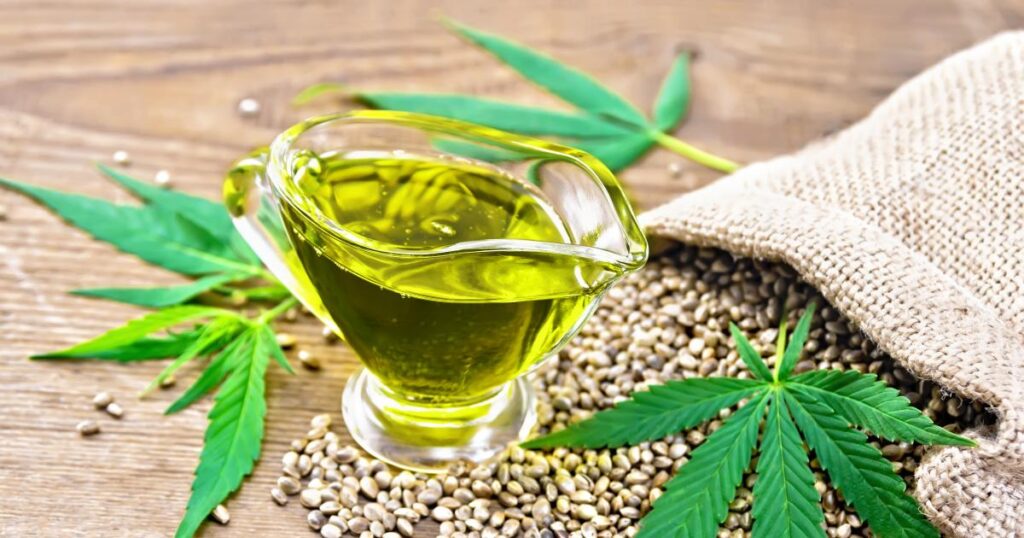
CBD oil is produced using industrial hemp strains bred to contain high levels of cannabidiol and very low levels of THC. These strains are carefully selected to meet legal requirements while delivering consistent CBD content.
Reputable manufacturers source hemp from regulated farms that follow strict agricultural standards. Many prefer organically grown hemp to reduce exposure to pesticides and chemicals.
Farming Practices and Soil Health
Hemp is a bioaccumulator, meaning it absorbs compounds from the soil. Clean soil, proper irrigation, and sustainable farming practices are essential for producing safe CBD oil.
Organic farming methods help ensure that the final CBD extract is free from heavy metals and harmful residues.
Step 2: Harvesting and Drying the Hemp
Once the hemp plants reach peak maturity, they are harvested at the right time to preserve their cannabinoid content.
After harvesting, the plants undergo a drying and curing process. This step removes excess moisture, prevents mold growth, and stabilizes cannabinoids like CBD.
Proper drying ensures that the hemp maintains its potency and quality before moving on to extraction.
Step 3: Extracting CBD From the Hemp Plant
Extraction is the most critical stage in making CBD oil. It involves separating cannabidiol from the rest of the plant material.
CO₂ Extraction Method
CO₂ extraction is widely regarded as the safest and most effective method. It uses pressurized carbon dioxide to pull CBD and other beneficial compounds from the hemp plant.
This method does not leave behind harmful solvents and allows manufacturers to control temperature and pressure for optimal results. The outcome is a clean, high-quality CBD extract.
Ethanol Extraction Method
Ethanol extraction is another commonly used process. It involves soaking hemp in food-grade alcohol to extract cannabinoids.
When done correctly, ethanol extraction can be efficient and safe. However, it requires careful refinement to remove unwanted plant materials and residual solvents.
Step 4: Refining the CBD Extract
After extraction, the raw CBD extract contains more than just CBD. Refining helps improve purity, taste, and consistency.
Winterization and Filtration
Winterization is a process that removes fats, waxes, and lipids from the extract. This is done by mixing the extract with alcohol and freezing it before filtration.
The result is a smoother, clearer CBD oil that is easier to consume and more stable.
Distillation for Purity
Some manufacturers use distillation to further refine the extract. Distillation separates compounds based on boiling points, increasing CBD concentration and removing impurities.
This step is especially important for creating broad-spectrum or CBD isolate products.
Step 5: Choosing the Type of CBD Oil
Once refined, the extract can be formulated into different types of CBD oil depending on consumer preference.
Full-Spectrum CBD Oil
Full-spectrum CBD oil contains CBD along with other cannabinoids, terpenes, and trace amounts of THC. Many users believe these compounds work together to enhance effects.
Broad-Spectrum CBD Oil
Broad-spectrum CBD oil includes multiple cannabinoids and terpenes but has THC removed. This option appeals to those who want the benefits of hemp compounds without THC.
CBD Isolate Oil
CBD isolate oil contains pure CBD with no other cannabinoids. It is often chosen by users who prefer a simple formula or want to avoid THC entirely.
Step 6: Mixing CBD With a Carrier Oil
CBD extract is highly concentrated and must be diluted with a carrier oil to create the final CBD oil product.
Common Carrier Oils Used
Popular carrier oils include MCT oil, hemp seed oil, and olive oil. These oils improve absorption and make it easier for the body to use CBD effectively.
The choice of carrier oil can affect taste, texture, and bioavailability.
Accurate CBD Dosing
Manufacturers carefully calculate CBD concentration to ensure each bottle delivers consistent potency. This accuracy is essential for consumer trust and proper usage.
Step 7: Third-Party Testing and Quality Control
Before CBD oil reaches consumers, it undergoes rigorous testing.
What Lab Tests Verify
Third-party lab tests confirm CBD potency, verify THC levels, and screen for contaminants such as pesticides, heavy metals, and residual solvents.
Reputable brands make these lab reports available, allowing consumers to verify product quality and safety.
Step 8: Bottling and Packaging the Final Product
Once testing is complete, the CBD oil is bottled and prepared for distribution.
Protective Bottling
CBD oil is usually stored in dark glass bottles to protect it from light and preserve potency. Proper sealing prevents contamination and extends shelf life.
Clear and Transparent Labeling
Labels include CBD concentration, ingredient lists, dosage information, and batch numbers. Transparent labeling helps consumers make informed choices and builds brand credibility.
Why the CBD Oil Manufacturing Process Matters
Understanding how CBD oil is made helps consumers identify high-quality products. Clean sourcing, safe extraction methods, and thorough testing all contribute to effectiveness and safety.
Low-quality manufacturing can result in inconsistent potency, contamination, or misleading labels. That’s why knowing the process behind the bottle is so important.
Read Also : CBD Oil for Beginners: Everything You Need to Know Before You Start
Final Thoughts: From Hemp Plant to Final Bottle
CBD oil production is a detailed process that combines agriculture, science, and quality control. From growing clean hemp plants to refining extracts and testing the final product, each step ensures that the CBD oil you use is safe, effective, and reliable.
By understanding how CBD oil is made, you can choose products with confidence and support brands that prioritize transparency, quality, and responsible practices.