
Introduction
Menstrual cramps are a common and often painful experience for many women. These cramps, also known as dysmenorrhea, can significantly impact daily activities, causing discomfort and distress. While over-the-counter pain medications are commonly used to alleviate these symptoms, they may not be suitable for everyone due to potential side effects. This has led many women to seek natural alternatives for relief. One such alternative gaining popularity is CBD oil.
Understanding Menstrual Cramps
Menstrual cramps occur when the uterus contracts to help shed its lining during menstruation. These contractions are triggered by hormone-like substances called prostaglandins. Higher levels of prostaglandins are associated with more severe menstrual cramps. Symptoms can include:
- Throbbing or cramping pain in the lower abdomen
- Pain that radiates to the lower back and thighs
- Nausea and vomiting
- Diarrhea
- Headache and dizziness
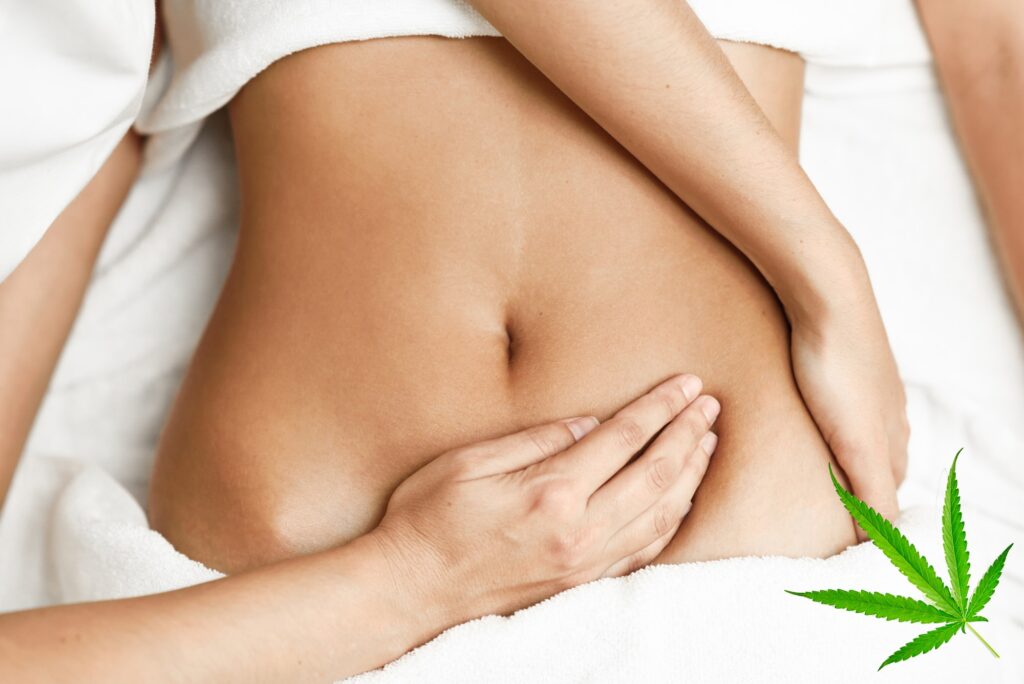
For some women, menstrual cramps can be mild and manageable, but for others, they can be debilitating and interfere with daily activities. The severity of menstrual cramps can vary from month to month and can be influenced by factors such as stress, diet, and overall health. Traditional pain relief methods, such as NSAIDs (non-steroidal anti-inflammatory drugs) like ibuprofen, are commonly used to treat menstrual cramps. However, these medications can have side effects, including stomach upset, and may not be suitable for long-term use.
This is where CBD oil comes into play as a natural alternative. With its growing popularity and increasing body of research supporting its benefits, CBD oil is becoming a go-to option for many women seeking a more holistic approach to managing menstrual cramps. Unlike traditional pain relievers, CBD oil offers a multi-faceted approach to pain management, addressing not just the pain itself but also the underlying inflammation and muscle tension that contribute to menstrual discomfort.
Furthermore, CBD oil’s ability to improve mood and reduce anxiety can be particularly beneficial for women during their menstrual cycle. The hormonal fluctuations that occur during this time can lead to emotional instability, irritability, and heightened stress. By promoting a sense of calm and relaxation, CBD oil can help women navigate the emotional challenges of their menstrual cycle more effectively.
What is CBD Oil?
CBD (cannabidiol) is a natural compound found in the cannabis plant. Unlike THC (tetrahydrocannabinol), another well-known compound from the same plant, CBD does not have psychoactive effects, meaning it won’t make you feel “high.” Instead, CBD is known for its potential therapeutic benefits, including pain relief, anti-inflammatory properties, and anxiety reduction.
CBD works by interacting with the body’s endocannabinoid system (ECS), a complex network of receptors and enzymes that play a crucial role in regulating various physiological processes such as pain, mood, and immune response. The ECS helps maintain homeostasis, or balance, within the body. When CBD is introduced into the system, it can enhance the ECS’s ability to modulate these processes, thereby providing relief from symptoms associated with conditions like menstrual cramps.
Additionally, CBD is available in various forms, such as oils, tinctures, edibles, capsules, and topicals, making it easy to incorporate into daily routines. Each form offers different onset times and durations of effect, allowing individuals to choose the method that best suits their needs. The versatility and potential benefits of CBD make it an appealing option for women seeking a natural and holistic approach to wellness, particularly in managing menstrual discomfort and other related symptoms.
How CBD Oil Can Help with Menstrual Cramps
1. Pain Relief
CBD interacts with the body’s endocannabinoid system (ECS), which plays a role in regulating pain and inflammation. By binding to receptors in the ECS, CBD can help reduce the perception of pain and provide relief from menstrual cramps. Specifically, CBD targets the CB1 and CB2 receptors within the ECS, which are found in the brain, immune system, and peripheral nervous system. This interaction helps modulate pain signals and can inhibit the production of pro-inflammatory molecules, leading to a decrease in pain and inflammation.
Moreover, CBD’s influence on serotonin receptors can also contribute to its analgesic effects. Serotonin is a neurotransmitter that plays a significant role in mood regulation and pain perception. By enhancing serotonin signaling, CBD can help alleviate not only physical pain but also the emotional discomfort that often accompanies menstrual cramps. This dual action makes CBD a comprehensive approach to managing menstrual pain, offering both physical and emotional relief. Its non-addictive nature and minimal side effects make it a preferable option for many seeking an alternative to traditional pain medications.
2. Anti-Inflammatory Effects
The anti-inflammatory properties of CBD can help reduce the inflammation associated with menstrual cramps. By lowering inflammation, CBD can alleviate the severity of cramps and other related symptoms. Inflammation is a key component of the pain and discomfort experienced during menstruation, as prostaglandins, the hormone-like substances responsible for uterine contractions, also trigger an inflammatory response.
CBD’s anti-inflammatory effects are mediated through its ability to inhibit the production of pro-inflammatory cytokines and reduce the activation of immune cells that contribute to inflammation. By modulating the immune response, CBD can decrease the inflammatory cascade that exacerbates menstrual pain.
Furthermore, CBD’s action on the ECS enhances its anti-inflammatory potential. By activating the CB2 receptors, which are predominantly found in immune cells, CBD can further suppress inflammation and provide targeted relief. This reduction in inflammation not only helps with pain management but also addresses other symptoms such as swelling and tenderness often experienced during menstruation.
Incorporating CBD into a wellness routine can thus offer a holistic approach to managing menstrual cramps, addressing both the pain and the underlying inflammation. This makes CBD an attractive natural alternative for women seeking comprehensive relief from menstrual discomfort.
3. Muscle Relaxation
Menstrual cramps are caused by the contraction of uterine muscles. CBD has muscle relaxant properties that can help ease these contractions, providing relief from cramping pain. This muscle relaxation effect is crucial because the intense contractions of the uterus during menstruation are a primary source of discomfort and pain. By promoting muscle relaxation, CBD can help reduce the intensity and frequency of these contractions.
CBD achieves muscle relaxation through several mechanisms. Firstly, it interacts with the ECS to modulate neurotransmitter release, which can help reduce the excitability of muscle cells. Additionally, CBD influences calcium channels in muscle cells, which play a critical role in muscle contraction. By regulating these channels, CBD can help prevent excessive muscle contractions and promote relaxation.
Moreover, CBD’s impact on reducing anxiety and stress can further contribute to muscle relaxation. Stress and anxiety can exacerbate muscle tension, making cramps more painful. By alleviating stress and promoting a sense of calm, CBD indirectly supports muscle relaxation, leading to more effective relief from menstrual cramps.
Incorporating CBD into a menstrual care routine can thus offer multifaceted benefits, addressing the root causes of cramping and providing comprehensive relief. This makes CBD a valuable natural option for women seeking to manage the discomfort of menstrual cramps effectively.
4. Improved Mood and Reduced Anxiety
Menstruation can also bring about mood swings and anxiety. CBD is known for its anxiolytic (anxiety-reducing) properties, which can help improve mood and reduce stress during menstruation. Hormonal fluctuations during the menstrual cycle can lead to significant emotional upheaval, including irritability, sadness, and anxiety. These mood disturbances can compound the physical discomfort of menstrual cramps, creating a challenging experience for many women.
CBD’s anxiolytic effects are primarily mediated through its interaction with serotonin receptors in the brain. Serotonin is a neurotransmitter that plays a critical role in regulating mood, and enhanced serotonin signaling can lead to improved emotional well-being. By modulating these receptors, CBD can help stabilize mood swings and alleviate anxiety, promoting a sense of calm and relaxation.
Additionally, CBD’s ability to reduce cortisol levels, the body’s primary stress hormone, can further aid in managing stress and anxiety. High cortisol levels can exacerbate feelings of tension and unease, making it harder to cope with menstrual symptoms. By lowering cortisol, CBD helps create a more balanced emotional state, making it easier to handle the menstrual cycle’s physical and emotional aspects.
How to Use CBD Oil for Menstrual Cramps
1. Sublingual Tinctures
One of the most common methods of using CBD oil is through sublingual tinctures. Place a few drops of CBD oil under your tongue and hold it there for about 60 seconds before swallowing. This allows for quick absorption into the bloodstream. The area under the tongue is rich in capillaries, which facilitates the rapid entry of CBD into the circulatory system, bypassing the digestive system and liver metabolism, leading to quicker onset of effects.
Sublingual tinctures are particularly advantageous for those seeking fast relief from menstrual cramps. The rapid absorption means that the benefits of CBD, such as pain relief and muscle relaxation, can be felt within minutes. This method also allows for precise dosing, enabling users to adjust their intake easily to find the optimal dose for their needs.
Moreover, sublingual tinctures are convenient and discreet, making them suitable for use at any time of day, whether at home or on the go. They come in various flavors, which can make the experience more pleasant, especially for those who may not enjoy the natural taste of CBD oil.
2. Topical Applications
CBD can also be applied topically in the form of creams or balms. Massaging a CBD-infused topical product onto the lower abdomen can provide targeted relief from cramps. This method allows CBD to be absorbed directly into the skin, where it interacts with localized cannabinoid receptors, providing relief precisely where it’s needed.
Topical applications of CBD are particularly effective for menstrual cramps because they allow for the concentration of the compound in the affected area, ensuring maximum efficacy. The massaging action itself can also promote increased blood flow and muscle relaxation, further enhancing the pain-relieving effects of CBD.
Topical CBD products often include other beneficial ingredients like menthol, camphor, or essential oils, which can provide additional soothing effects and enhance overall relief. These products are typically easy to apply and can be used as needed throughout the day, making them a convenient option for managing pain discreetly and effectively.
3. Edibles and Capsules
CBD edibles, such as gummies, or capsules can offer a convenient and discreet way to consume CBD. These products are often favored for their ease of use and pre-measured doses, making them ideal for those who prefer a simple approach to incorporating CBD into their daily routine. Edibles and capsules can be a practical option for women looking to manage menstrual cramps, as they provide a steady release of CBD over an extended period.
However, it’s important to note that edibles and capsules may take longer to take effect compared to other methods like sublingual tinctures or topical applications. This delay is because these products need to be digested and metabolized by the liver before the CBD enters the bloodstream. Typically, it can take anywhere from 30 minutes to 2 hours to feel the effects, depending on individual metabolism and the specific product used.
Despite the slower onset, edibles and capsules offer long-lasting relief, making them suitable for managing symptoms throughout the day. Additionally, they come in various flavors and formulations, including those combined with other beneficial ingredients like vitamins or herbal extracts, which can further support overall wellness.
4. Vaping
For those who prefer a faster onset of effects, vaping CBD oil is an option. Vaping allows CBD to enter the bloodstream quickly through the lungs, providing near-instant relief from menstrual cramps and other symptoms. This rapid absorption can be particularly beneficial for managing acute pain or discomfort, as users can experience the effects within minutes of inhalation.
However, it’s essential to be cautious and informed about the safety of vaping products. Not all CBD vape products are created equal, and some may contain harmful additives or contaminants. It’s crucial to choose high-quality, reputable brands that provide third-party lab testing results to ensure the purity and safety of the product.
Additionally, while vaping can be effective, it may not be suitable for everyone. Concerns about long-term lung health and potential irritation from inhaling vapor should be considered. For those who are comfortable with vaping and prioritize quick relief, it can be an effective method to integrate CBD into a menstrual care routine, offering fast-acting support for pain and discomfort.
Dosage and Safety
When it comes to CBD dosage, it’s important to start low and go slow. Begin with a small dose and gradually increase until you find the amount that works best for you. This approach allows you to gauge your body’s response to CBD and minimize the risk of potential side effects, such as drowsiness or gastrointestinal discomfort.
A common starting point is 5-10 mg of CBD per day, with gradual increases of 5 mg every few days as needed. Monitoring how you feel and adjusting the dose accordingly helps in finding the optimal amount for effective relief from menstrual cramps.
Consulting with a healthcare professional is also recommended, especially if you are taking other medications or have underlying health conditions. CBD can interact with certain medications, such as blood thinners, and may not be suitable for everyone. A healthcare provider can help you determine a safe and effective dosage, ensuring that CBD complements your overall health plan without adverse effects.
By taking a cautious and informed approach to CBD use, you can maximize its benefits while maintaining your health and safety.
Also Read: Women’s Wellness: The Role of CBD Oil in Hormonal Balance
Conclusion
CBD oil offers a promising natural alternative for women seeking relief from menstrual cramps. Its pain-relieving, anti-inflammatory, and muscle-relaxant properties make it a suitable option for managing dysmenorrhea. As with any supplement, it’s important to use CBD responsibly and consult with a healthcare provider to ensure it’s the right choice for your individual needs.
By exploring natural remedies like CBD oil, women can find effective and holistic solutions to alleviate the discomfort of menstrual cramps and improve their overall well-being.