
Stress is a normal part of life. Deadlines, financial responsibilities, family obligations, and unexpected challenges can all trigger temporary stress responses. However, when stress becomes persistent and lasts for weeks, months, or even years, it can evolve into chronic stress, potentially affecting both physical and mental well-being.
As awareness of stress-related health concerns grows, many people are exploring natural wellness options to support relaxation and balance. One product that has received significant attention is CBD oil. While CBD is not a cure for stress, many users incorporate it into their wellness routines to help manage the demands of modern life.
Understanding how CBD oil works and its potential role in stress management can help individuals make informed decisions about whether it may fit into their lifestyle.
What Is Chronic Stress?
Chronic stress occurs when the body remains in a prolonged state of tension and alertness.
Unlike short-term stress, which often resolves once a situation passes, chronic stress can continue over an extended period due to ongoing pressures such as:
- Work demands
- Financial concerns
- Relationship challenges
- Caregiving responsibilities
- Major life changes
- Health-related worries
Over time, chronic stress may influence overall health and daily functioning.
Common Effects of Chronic Stress
When stress persists, it can affect multiple areas of life.
Some common symptoms include:
Emotional Effects
- Irritability
- Mood fluctuations
- Feeling overwhelmed
- Difficulty relaxing
Physical Effects
- Muscle tension
- Fatigue
- Headaches
- Changes in appetite
Cognitive Effects
- Difficulty concentrating
- Reduced productivity
- Racing thoughts
- Mental exhaustion
Sleep Disturbances
Many individuals experiencing chronic stress also report trouble falling asleep or staying asleep.
Because stress can affect so many aspects of well-being, effective management strategies are essential.
What Is CBD Oil?
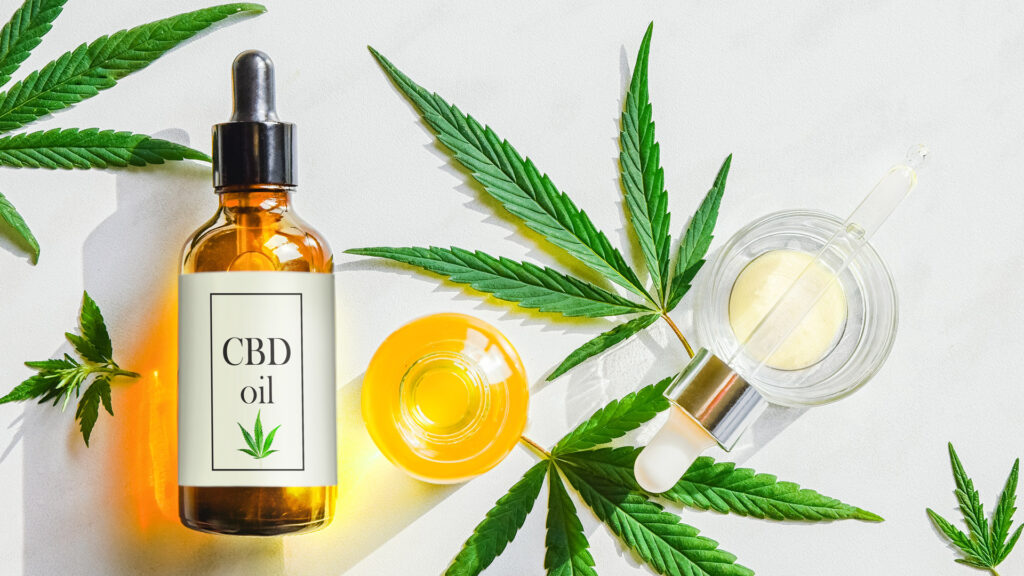
CBD, short for cannabidiol, is a naturally occurring compound found in hemp plants.
Unlike THC, CBD does not produce intoxicating effects or a “high.”
CBD oil is typically made by extracting cannabidiol from hemp and combining it with a carrier oil such as:
- MCT oil
- Hemp seed oil
- Coconut oil
Today, CBD oil is widely used as part of wellness routines focused on relaxation, recovery, and overall balance.
How CBD Interacts with the Body
CBD works by interacting with the body’s endocannabinoid system (ECS).
The ECS is a network of receptors and signaling molecules that helps regulate important functions, including:
- Mood
- Sleep
- Stress responses
- Pain perception
- Immune function
The primary role of the ECS is maintaining balance, also known as homeostasis.
CBD does not directly bind to cannabinoid receptors in the same way THC does. Instead, it influences various systems throughout the body that help regulate stress and emotional responses.
How CBD May Support Stress Management
Although research is ongoing, several mechanisms may explain why many people use CBD oil for stress support.
Promoting a Sense of Calm
One of the most commonly reported effects of CBD is a feeling of calmness and relaxation.
Many users describe CBD as helping them feel:
- Less overwhelmed
- More balanced
- Better able to handle daily pressures
These effects may contribute to an improved ability to cope with ongoing stressors.
Supporting Emotional Balance
CBD may influence receptors involved in mood regulation, including serotonin receptors.
Serotonin is often associated with:
- Emotional stability
- Positive mood
- Feelings of well-being
By supporting systems related to emotional balance, CBD may help individuals manage stressful situations more effectively.
Encouraging Relaxation Without Intoxication
Unlike THC, CBD does not impair cognition or produce a euphoric high.
This makes it appealing to individuals who want relaxation support while remaining focused and productive throughout the day.
Supporting Recovery from Daily Stress
Stress affects both the mind and body.
Many people use CBD after demanding days to help support recovery and create a transition from work responsibilities to personal time.
CBD Oil and Sleep
Chronic stress and poor sleep often reinforce one another.
When stress levels are high, it can become difficult to:
- Fall asleep
- Stay asleep
- Achieve restorative rest
Although CBD is not classified as a sleep aid, many users report that its relaxing properties help them unwind before bedtime.
Improved relaxation may contribute to healthier sleep routines over time.
Potential Benefits for Busy Professionals
Workplace demands are a major source of chronic stress for many adults.
Professionals often juggle:
- Deadlines
- Meetings
- Performance expectations
- Long work hours
CBD oil may fit into a professional wellness routine by supporting:
Mental Relaxation
Many individuals use CBD to help create a sense of calm during demanding workdays.
Work-Life Balance
CBD may help support the transition from professional responsibilities to personal relaxation.
Consistent Wellness Habits
CBD is often incorporated alongside:
- Exercise
- Meditation
- Healthy nutrition
- Sleep routines
These habits work together to support long-term stress management.
CBD and Physical Tension
Stress does not only affect the mind.
Many people carry stress physically through:
- Tight shoulders
- Neck tension
- Muscle stiffness
CBD is often used as part of wellness and recovery routines that aim to support overall physical comfort.
When physical tension is reduced, relaxation often becomes easier.
Incorporating CBD Oil Into a Stress-Management Routine
CBD works best when viewed as one component of a broader wellness strategy.
Healthy stress-management practices may include:
Regular Exercise
Physical activity helps support mood and overall well-being.
Mindfulness Practices
Activities such as:
- Meditation
- Deep breathing
- Yoga
can help reduce stress and promote relaxation.
Healthy Sleep Habits
Consistent sleep schedules support emotional resilience and recovery.
Balanced Nutrition
A nutritious diet contributes to overall physical and mental wellness.
CBD Oil
CBD may complement these habits by supporting relaxation and balance.
Choosing High-Quality CBD Oil
Not all CBD products offer the same quality.
When selecting CBD oil, look for:
Third-Party Testing
Independent lab testing helps verify purity and potency.
Transparent Labeling
Choose products that clearly state:
- CBD content
- Ingredients
- Serving sizes
Reputable Manufacturers
Research brands and customer reviews before purchasing.
Certificates of Analysis (COAs)
COAs provide evidence of product quality and testing.
Is CBD Oil Safe?
CBD is generally considered well tolerated by most adults.
Some individuals may experience mild side effects such as:
- Dry mouth
- Drowsiness
- Changes in appetite
- Digestive discomfort
People taking medications should consult a healthcare professional before using CBD, as interactions may occur.
Important Considerations
CBD is not a replacement for professional medical care.
Individuals experiencing severe stress, anxiety, depression, or other mental health concerns should seek guidance from qualified healthcare providers.
CBD should be viewed as a wellness tool that may support relaxation rather than a treatment for underlying mental health conditions.
Also Read: CBD Oil for Post-Workout Recovery in Minnesota
Final Thoughts
Chronic stress has become an increasingly common challenge in modern life, affecting emotional well-being, sleep quality, productivity, and overall health. As people search for ways to manage ongoing stress more effectively, CBD oil has emerged as a popular wellness option.
By interacting with the body’s endocannabinoid system and supporting balance, CBD may help promote calmness, emotional stability, relaxation, and recovery from daily stressors. While results vary from person to person, many individuals find that CBD oil fits naturally into a broader stress-management strategy that includes healthy lifestyle habits.
When combined with regular exercise, quality sleep, mindfulness practices, and proper self-care, CBD oil may serve as a valuable addition to a comprehensive wellness routine designed to support resilience in today’s fast-paced world.